in the context of global digital transformation, the u.s. server hosting market is booming. as enterprises increase their demand for data storage and processing, server hosting services have gradually become an important part of enterprise it infrastructure. this article will take an in-depth look at the market dynamics, technological advancements, and future prospects of server hosting in the united states.
the current state of the u.s. server hosting market
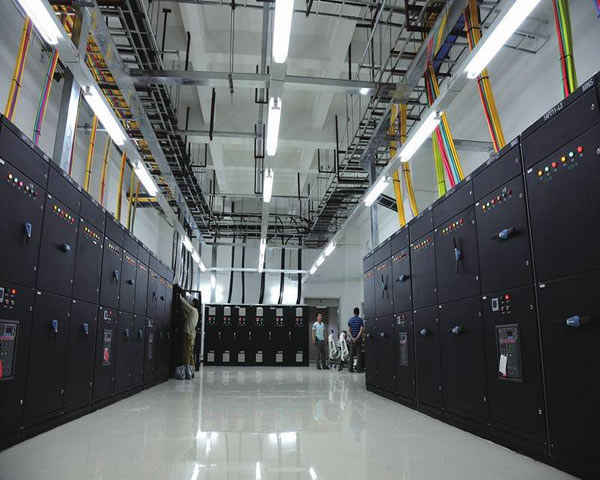
currently, the us server hosting market is in a stage of rapid development. according to industry reports, more and more enterprises are choosing to host their data storage and applications in professional data centers. behind this trend, there are both technological advancement and enterprises’ focus on network security and operational efficiency. data centers not only provide greater reliability and availability, but also meet corporate compliance requirements.
the impact of technological progress on the market
technological advancement is an important factor driving the development of the us server hosting market. the popularity of cloud computing allows enterprises to flexibly expand and shrink resources without having to bear high upfront investments. in addition, the application of virtualization technology has greatly improved resource utilization. enterprises can run multiple virtual servers on the same hardware, reducing operating costs. with the arrival of new technologies such as 5g, improvements in network bandwidth and latency will further drive the development of the hosting market.
market competition and service diversification
the us server hosting market is highly competitive with many service providers. in order to stand out in the market, hosting service providers continue to introduce diversified services, including customized solutions, value-added services and technical support. enterprises can choose the right type of service based on their needs, from shared hosting to dedicated servers and even hybrid cloud solutions to meet the needs of different sizes and industries.
the critical role of cybersecurity
with the frequent occurrence of network attacks, network security has become an important consideration for enterprises when choosing server hosting services. in the u.s. server hosting market, data centers that offer advanced cybersecurity measures are becoming increasingly popular. these measures include firewalls, ddos attack protection, data encryption and security monitoring, etc., to help enterprises effectively reduce security risks and protect sensitive data.
future prospects and development trends
looking ahead, the u.s. server hosting market will continue its growth trend. with the development of emerging technologies such as artificial intelligence, the internet of things, and big data, enterprises' demand for efficient and flexible server hosting services will continue to rise. in addition, increasing environmental awareness will also drive data centers to adopt greener energy solutions and improve energy efficiency. service providers will need to continuously innovate to adapt to market changes and customer needs.
the impact of globalization trends on the u.s. market
with the deepening of globalization, more and more international companies choose to host servers in the united states. this not only promotes the construction and development of u.s. data centers, but also promotes technological exchanges and cooperation. as the forefront of technological innovation, the united states has attracted a large amount of investment and talent, injecting new vitality into the server hosting market.
summary and suggestions
to sum up, the u.s. server hosting market shows good development prospects driven by multiple factors such as technological advancement, network security and market competition. when businesses choose server hosting services, they should fully consider their own needs, budget, and security to ensure they choose the right service provider. in addition, paying attention to market dynamics and technology trends will help companies maintain competitive advantages in fierce market competition.
- Latest articles
- Risk Identification Before Purchasing Tells You How Easy It Is To Get Scammed By A Singapore Vps
- Promotion Period Guide: How To Buy Cambodian Servers Cheaply? Interpretation Of Preferential Activities And Bundling Plans
- Cn2 Line Japan’s Role In Multi-cloud Hybrid Deployment And Connectivity Optimization
- Comprehensive Evaluation Of Bandwidth, Latency And Price Helps Complete Thailand Vps Purchase Selection
- How To Use Hong Kong Dial-up Vps Dynamic Adsl To Achieve Home Network Access And Port Mapping
- How To Optimize The System To Improve Bandwidth Utilization And Speed After Purchasing A Vps In Thailand
- Common Misunderstandings About How To Connect To Vietnam Servers To Avoid Triggering Regional Bans
- GP Singapore Server Stability In-depth Evaluation And Deployment Best Practice Guide
- Website Migration Case Sharing SEO And Speed Changes After Switching Between Hong Kong Vps And Japanese Vps
- The Technical Team’s Experience Discusses The Three Core Indicators For Choosing The Best Vps In Korea
- Popular tags
-

Renovation And Upgrade Suggestions: How To Simultaneously Implement Resource Upgrades And Optimization When Renting A Us Server Expires
this article provides practical suggestions for synchronous resource upgrade and optimization when renting a us server expires, covering assessment, backup, migration, network and security optimization, performance monitoring and rollback solutions to help smooth the transition and improve cost-effectiveness and scalability. -

Analysis Of The Actual Protection Differences Between The American Cera High-defense Server And Other Brands
this article analyzes the actual protection differences between the american cera high-defense server and other brands from the dimensions of architecture, traffic cleaning, network bandwidth, response support, false positive rate, and compliance logs, and provides procurement and deployment recommendations. -

Study On The Impact Of Public Opinion: Why Standing In A Group Of People At A Press Conference In The United States Creates A Topic
From the perspective of public opinion influence research, we analyze how "standing in a group" in American press conferences forms topics through visual symbols, bandwagon effects, media frames and network amplification, and provide suggestions for media monitoring and response.